-
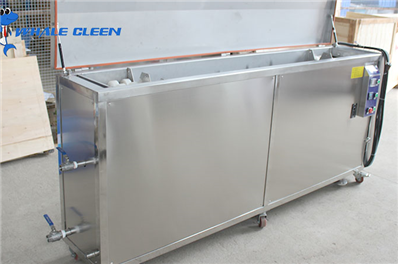 What is a Wire Ultrasonic Cleaning Machine?
A wire ultrasonic cleaning machine is a specialized industrial device designed to clean continuous materials such as wires, cables, rods, and strips using ultrasonic technology. These machines leverage the power of ultrasonic cavitation to remove contamin
-
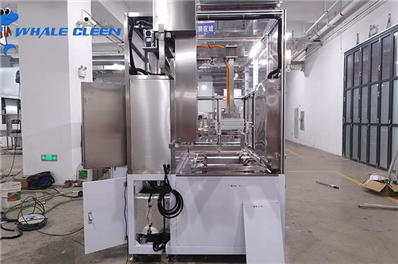 Optimizing Ultrasonic Cleaning: Factors that Affect Cleaning Performance and Efficiency
Ultrasonic cleaning machines have become increasingly popular in recent years for their ability to effectively and efficiently clean a wide range of materials and surfaces. These machines utilize high-frequency sound waves to agitate a cleaning solution,
-
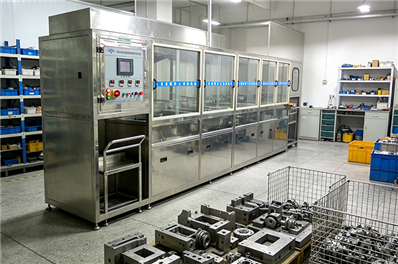 One Ultrasonic Machine, Three Critical Cleaning Tasks – Can It Really Handle Silicon Material, Solar Cells, and Terminal Blocks in One Go?
In photovoltaic manufacturing, semiconductor fabrication, and electronic component production, cleaning is never a single-step affair. Different materials, different contaminants, and different surface sensitivities demand different approaches – or so the
-
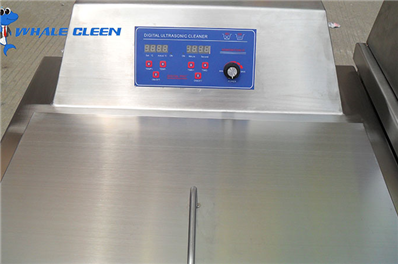 Efficient Clean Tool: The Application of Ultrasonic Cleaning Machine in Cosmetic Production
In the modern cosmetic production industry, ensuring product quality and adhering to stringent hygiene standards are paramount for maintaining a brand's reputation and market position. As the industry evolves, the cleaning process has become increasin
-
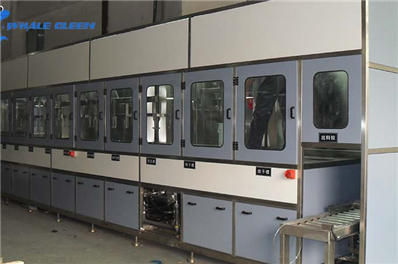 Classification of the ultrasonic cleansing slot. The oil removal effect of ultrasonic cleaning machine.
The cleaning trough in the ultrasonic cleaning machine is one of the important parts of the ultrasonic cleaning machine. On the one hand, the tank is a container for cleaning fluid, on the other hand, it is an indispensable medium for the Ultrasonic trans
-
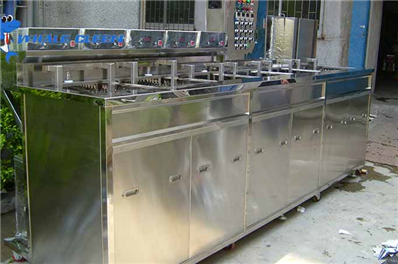 Ultrasonic washing machine for coating pretreatment
On the back of the optical glass, a metal silver (or aluminum) film is coated by a vacuum coating to make the incident light reflect the optical element. The output power of the laser can be doubled by using a reflector with a high reflection ratio, which
-
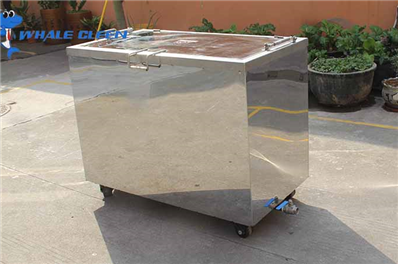 Common classification of the ultrasonic cleaning tank
The cleaning tank in the ultrasonic cleaning machine is one of the important components of the ultrasonic cleaning machine. On the one hand, the cleaning tank is a container holding cleaning liquid On the other hand, the ultrasonic cleaning tank is a basi
-
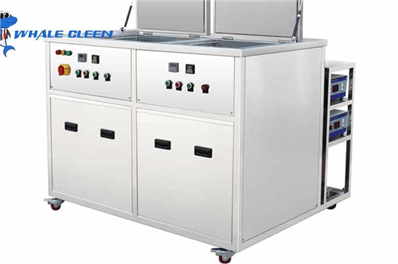 Stuck with Grinding Dust Embedded in Batch Workpiece Crevices? Manual Cleaning Is Draining Your Labor Budget and Driving Production Costs Through the Roof
Walk into any metalworking shop, stamping plant, or machining facility, and you will see the same scene repeated shift after shift: workers hunched over parts bins, scrubbing with brushes, picking at crevices with picks, blowing compressed air into blind
-
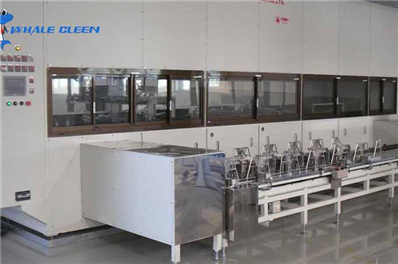 Same Ultrasonic Cleaning, Why Are Some Aerospace Fastener Yield Rates So Much Higher?
In aerospace manufacturing, few quality metrics are as unforgiving as fastener cleanliness. A single micro-fastener — a titanium alloy bolt, a high-strength steel screw, a threaded insert — can carry cutting fluids, lapping compounds, or microscopic metal
-
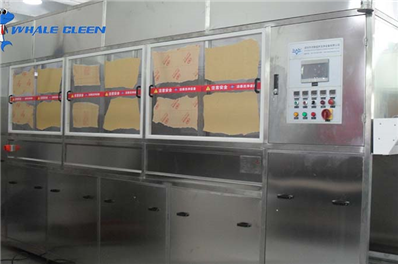 Ultrasonic Cleaning Machine: Solving the Batch Cleanliness Inconsistency Crisis in Aerospace Fastener Manufacturing
In aerospace manufacturing, a single contaminated fastener can compromise an entire assembly. Threaded surfaces trap machining oils, metal chips, and microscopic particulates that, if not completely removed, directly affect torque values, joint integrity,
-
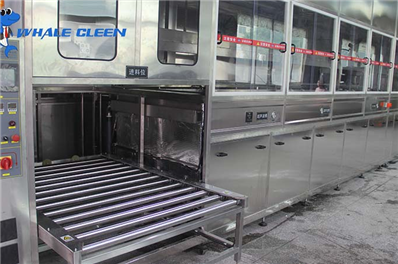 Can One Ultrasonic Cleaning Machine Really Solve Water Stain and Oxidation Problems on Die-Cast Parts?
Walk into any die-casting facility, and you will hear the same frustration from quality control inspectors and production managers alike. Aluminum die-cast parts emerge from the cleaning line looking perfectly clean—only to reveal white spots, cloudy patc
-
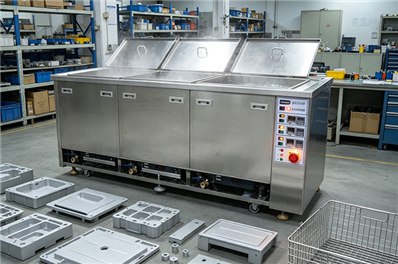 Ultrasonic Electrolytic Cleaning for Molds: Eliminate Gas Coke and Toner Residue That Causes Yellowing and Flow Marks
The Persistent Mold Contamination Problem In injection molding, the mold is the heart of production. But over time, even the best-maintained molds accumulate stubborn contaminants that no amount of wiping or solvent dipping can fully remove. Two of the